
The rapid pace of modern advancement means that concepts once confined to science fiction are now firmly established in everyday routines. Across urban and rural environments alike, the boundary between speculative engineering and practical application has blurred significantly. Observers analyzing current market trends note that consumer adoption cycles have accelerated drastically over the past decade. Where groundbreaking systems previously required decades to transition from laboratory testing to commercial viability, modern iterations achieve widespread integration within months. This shift highlights a broader societal transition toward digitized living, driven by ubiquitous connectivity, abundant processing power, and the decreasing cost of advanced hardware. Understanding how these developments operate requires looking past the marketing terminology and examining the underlying infrastructure supporting them.
Artificial Intelligence Integration in Household Management
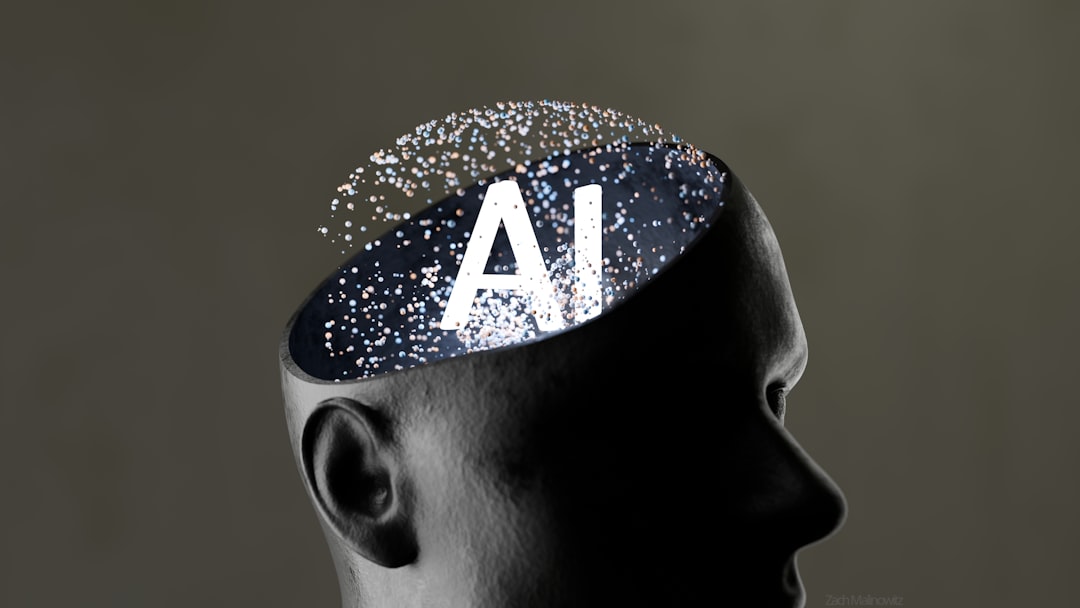
Artificial intelligence has moved past simple text generation to become the central nervous system of contemporary residential spaces. Modern households increasingly rely on ambient intelligence systems that adapt to occupant schedules, climate preferences, and energy consumption patterns without manual intervention. According to findings published by the Pew Research Center, smart home device adoption has grown steadily among homeowners seeking utility optimization and security enhancements. These platforms utilize machine learning algorithms to analyze historical data, predicting when thermostats should adjust or when security perimeters require heightened monitoring.
Furthermore, voice-activated assistants now coordinate multiple household appliances, creating an interconnected ecosystem that minimizes energy waste. For instance, smart refrigerators monitor expiration dates and inventory levels, while automated lighting networks sync with natural daylight cycles to reduce electricity usage. This level of integration transforms the home from a static physical structure into a dynamic, responsive environment. The technological backbone relies on decentralized edge computing, ensuring that local commands execute instantly without sending sensitive household data to distant cloud servers. Consequently, privacy concerns are addressed directly at the hardware level, building consumer confidence in automated living spaces.
Autonomous Mobility and Urban Transportation Evolution
Transportation networks are experiencing a structural transformation driven by sensor fusion, high-definition mapping, and advanced driver-assistance systems. While fully autonomous vehicles capable of operating without human supervision in all conditions remain under development, partial automation features are standard in most new automobiles. Advanced driver assistance systems now manage highway navigation, emergency braking, and parallel parking maneuvers with high precision. Urban planners utilizing data from the World Economic Forum emphasize that shared mobility fleets and electric micro-mobility devices are fundamentally altering urban design.
| Technology Type | Primary Function | Current Adoption Level | Main Benefit |
|---|---|---|---|
| Smart Thermostats | Climate and energy optimization | High (Residential) | Reduced utility bills and waste |
| Advanced Driver Assistance | Lane keeping and collision avoidance | High (Automotive) | Improved road safety |
| Wearable Health Trackers | Continuous vital sign monitoring | Moderate to High | Preventive healthcare insights |
| Generative Productivity Tools | Automated document drafting | Rapidly Growing | Operational efficiency |
Cities around the globe are redesigning streets to accommodate dedicated lanes for electric scooters, autonomous delivery robots, and high-capacity electric transit buses. These developments reduce traffic congestion and lower municipal carbon emissions, aligning with global climate objectives. The integration of real-time traffic analytics allows public transit systems to adjust schedules dynamically, matching vehicle capacity with actual commuter demand. This responsiveness reduces wait times and encourages the abandonment of private fossil-fuel-burning vehicles in favor of collective, electrified transit alternatives.
Wearable Health Technologies and Preventive Medicine
Healthcare delivery is shifting from reactive clinical treatment to continuous, preventative monitoring facilitated by advanced wearable devices. Modern smartwatches and biometric rings track heart rate variability, blood oxygen saturation, skin temperature, and sleep architecture with clinical-grade accuracy. Research insights shared by the National Institutes of Health indicate that continuous physiological tracking significantly improves early detection rates for cardiovascular anomalies and respiratory infections. Users receive immediate notifications when biometric markers deviate from their established personal baseline, prompting timely medical consultations before acute symptoms manifest.
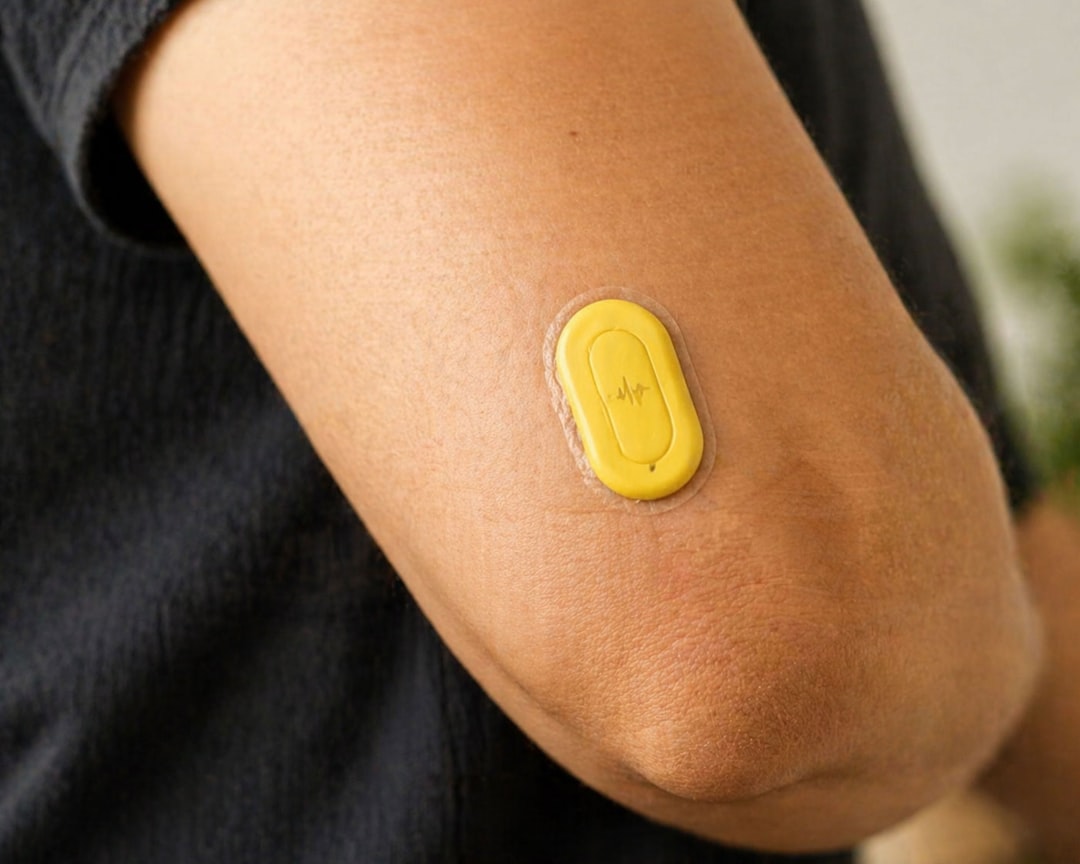
Beyond vital sign tracking, specialized patches and continuous glucose monitors allow individuals with chronic conditions to manage their health proactively. These devices transmit encrypted data directly to electronic health record systems, enabling medical professionals to adjust treatment plans remotely. The convergence of consumer electronics and medical science democratizes health literacy, empowering individuals to make informed lifestyle choices based on empirical data rather than generalized health guidelines. This shift reduces the strain on emergency medical services by intercepting health crises at the earliest possible stage.
Workplace Automation and Generative Productivity Tools
The professional landscape has adapted to intelligent automation tools that streamline complex administrative workflows and augment human creativity. Generative applications assist professionals in drafting correspondence, synthesizing extensive research documents, and writing computer code with remarkable speed. Analyses by organizations such as the Brookings Institution suggest that these systems elevate worker productivity by automating repetitive clerical tasks, allowing personnel to focus on strategic problem-solving and interpersonal collaboration.
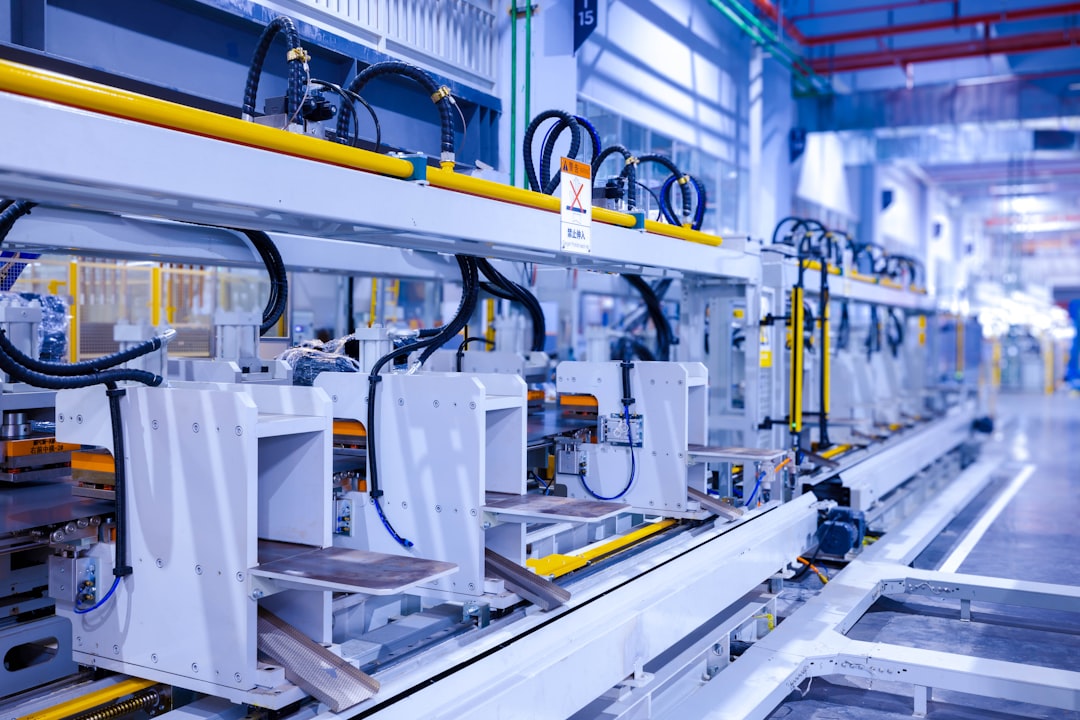
In manufacturing and logistics sectors, robotic process automation coordinates supply chain inventories, predicts equipment maintenance needs before mechanical failure occurs, and optimizes warehouse picking routes. Collaborative robots, commonly known as cobots, work alongside human technicians on assembly lines, handling heavy lifting and precise placement tasks. This partnership between human intuition and machine endurance enhances output quality while minimizing workplace injuries. As these tools mature, professional standards evolve to prioritize digital literacy, critical thinking, and adaptability as core competencies across all employment sectors.
Frequently Asked Questions
- What distinguishes future technology innovations that are already becoming part of daily life from older digital systems?
Modern innovations rely on autonomous adaptation, machine learning, and continuous data processing rather than static, rule-based programming. They anticipate user needs and optimize physical and digital environments automatically.
- How do smart home devices maintain user data privacy?
Many modern systems utilize edge computing, which processes information locally on the device rather than uploading personal usage habits to remote external servers, significantly reducing vulnerability to data breaches.
- Are autonomous transportation features safe for everyday use on public roads?
Driver-assistance systems undergo rigorous regulatory testing and simulation before commercial release. While they require attentive human supervision, statistical evaluations demonstrate a measurable reduction in preventable highway collisions.
- Can wearable health technology replace routine clinical checkups?
Wearable devices serve as supplementary monitoring tools designed to provide continuous data streams. They do not replace professional medical evaluations but rather enhance the diagnostic accuracy of routine clinical visits.
Conclusion
The integration of advanced systems into daily routines illustrates a profound shift in how society interacts with machinery and digital platforms. From intelligent residential environments and automated transit networks to preventive health monitors and generative workplace utilities, future technology innovations that are already becoming part of daily life redefine modern capability. Society continues to benefit from solutions that prioritize efficiency, safety, and proactive resource management. Navigating this digitized landscape successfully requires maintaining critical engagement with emerging tools while leveraging their analytical power to enhance personal and professional endeavors. As research institutions and industry leaders continue to refine these platforms, the focus remains on creating intuitive, secure, and universally accessible systems that elevate the baseline quality of life for global populations.
Featured Image Credit: Generated/Sourced via Unsplash.
Inline Images Credit: Sourced from Pexels, Unsplash, Pixabay, NASA, Wikimedia, and Openverse free stock databases.
Disclaimer: This article is AI-generated for informational and educational purposes. While we strive to provide high-quality context and authority, the content should not be used as professional advice. The author/website assumes no liability for external links or factual omissions.