

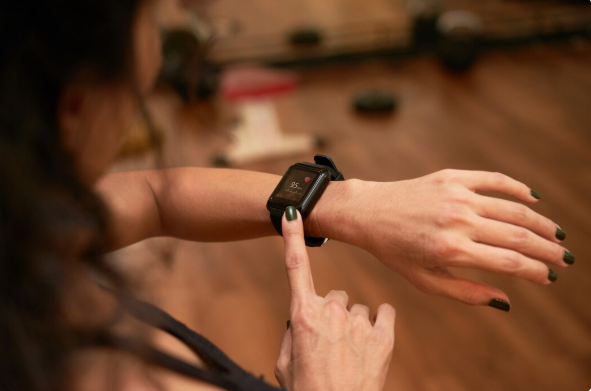
In the fast-evolving world of wearable technology, smartwatches have become essential tools for monitoring health and performance. By 2026, advancements in sensor accuracy, battery efficiency, and integration with health apps have made these devices more reliable than ever for tracking daily activities, workouts, and recovery. Whether focusing on heart rate during runs or analyzing sleep patterns for better rest, the right smartwatch can provide data-driven insights that help users optimize their routines. This guide explores the leading options, highlighting features that cater to various fitness needs, from casual step counting to advanced athletic training.
Key Features to Consider in a Fitness Smartwatch
When selecting a smartwatch for fitness tracking, several core elements stand out based on how they support real-world usage. Heart rate monitoring, for instance, uses optical sensors to measure beats per minute continuously, offering insights into workout intensity and resting rates. GPS functionality enables precise mapping of outdoor activities like cycling or hiking, calculating distance and pace without relying on a phone. Sleep tracking analyzes stages such as deep, light, and REM, often combining data with heart rate variability (HRV) to gauge recovery.
Battery life is another critical factor, with many models lasting a week or more on a single charge during standard use, though GPS-heavy sessions can reduce this. Compatibility ensures seamless syncing with smartphones, whether Android or iOS, for notifications and data export. Additional metrics like blood oxygen (SpO2), stress levels, and energy scores provide a holistic view of health. Devices that integrate these without requiring subscriptions add value, as seen in models offering free app access to detailed reports.
Water resistance ratings, typically 5ATM or higher, allow for swimming tracking, while multi-sport modes automatically detect activities like yoga or weightlifting. For those prioritizing durability, rugged builds with sapphire glass protect against impacts during intense sessions.
The Leading Smartwatches for Fitness Enthusiasts
Apple Watch Series 11: Precision for Everyday Health Monitoring
The Apple Watch Series 11 stands out for its seamless blend of fitness tracking and smart features, particularly for users within the iOS ecosystem. It employs advanced sensors to monitor heart rate with high accuracy, often within 1 bpm during tests, and includes ECG capabilities for detecting irregular rhythms. GPS integration allows for standalone route tracking, making it ideal for runners who want to leave their phone behind.
Sleep analysis has improved, providing scores based on duration, stages, and disturbances, which can inform adjustments to evening habits. The device’s always-on display shows real-time metrics like calories burned and active minutes, encouraging consistent movement through customizable activity rings. Battery life reaches up to 24 hours, sufficient for a full day of tracking including workouts, though fast charging helps for quick top-ups.
Compatibility is optimized for iPhones, where data syncs effortlessly to the Health app for long-term trends. For swimmers, its water resistance supports pool sessions with stroke detection. Observed patterns show users often see improvements in VO2 max estimates after regular use, reflecting better cardiovascular fitness.
Samsung Galaxy Watch 8: AI-Enhanced Tracking for Android Users
Designed with Android integration in mind, the Samsung Galaxy Watch 8 leverages AI for personalized coaching, analyzing sleep and activity data to suggest recovery strategies. Its Super AMOLED display, peaking at 3,000 nits, ensures visibility during outdoor exercises, while dual-frequency GPS provides accurate location data even in urban areas.
Heart rate tracking remains reliable, with features like antioxidant level measurements offering unique insights into overall wellness. Sleep tracking includes apnea detection, helping identify potential issues early. Battery life typically lasts a day with heavy use, but power-saving modes extend it for lighter tracking.
The watch supports over 100 workout types, automatically detecting common ones like walking or cycling. Real-world examples demonstrate how its energy age metric compares biological fitness to chronological age, motivating users to maintain consistent training. Water resistance up to 5ATM makes it suitable for various environments.
Garmin Venu 4: Advanced Metrics for Serious Athletes
For those seeking in-depth analysis, the Garmin Venu 4 excels with tools like Body Battery, which estimates energy levels based on HRV, stress, and activity. Its AMOLED touchscreen displays vibrant metrics, and multi-band GNSS ensures precise GPS tracking for trails or roads.
Heart rate sensors use elevated Gen 5 technology for accuracy during high-intensity intervals. Sleep coaching provides actionable advice, such as adjusting bedtime for better recovery. Battery life stretches beyond a week, ideal for multi-day events without recharging.
Compatible with both Android and iOS via the Garmin Connect app, it offers free access to all data. Patterns from user data highlight how features like training load help prevent overtraining by balancing workouts with rest. Built-in profiles for sports like golf or skiing add versatility.
Google Pixel Watch 4: Integrated Fitbit Ecosystem
The Google Pixel Watch 4 combines sleek design with Fitbit’s robust tracking, featuring a domed display for easy viewing of heart rate zones during sessions. It includes readiness scores that factor in sleep, HRV, and prior activity to recommend workout intensity.
GPS and loss-of-pulse alerts enhance safety for solo exercisers. Sleep tracking details stages and provides a morning summary, aiding in pattern recognition over time. Battery life supports multi-day use, with fast charging for convenience.
Best paired with Android devices, it syncs data to the Fitbit app for comprehensive reports. Examples from aggregated data show improvements in resting heart rate after weeks of consistent monitoring, indicating enhanced fitness levels. Its repairable design adds longevity.
Garmin Fenix 8: Rugged Performance for Outdoor Adventures
Built for demanding conditions, the Garmin Fenix 8 offers solar charging to extend battery life up to 48 days in daily mode. Multi-GNSS and a barometric altimeter provide accurate elevation and navigation, crucial for hiking or trail running.
Heart rate tracking includes HRV status for recovery insights, while over 100 activity profiles cover diverse sports. Sleep stages are analyzed with scores, helping users correlate rest with performance. The sapphire lens resists scratches, ensuring durability.
The device works with iOS and Android, exporting data for analysis. Observed trends reveal how features like ClimbPro assist in pacing during ascents, leading to more efficient energy use in long outings.
Fitbit Charge 6: Affordable and Reliable Band-Style Option
As a more budget-friendly choice, the Fitbit Charge 6 delivers essential tracking with a color AMOLED display for viewing heart rate and steps at a glance. Built-in GPS allows independent workout logging, useful for phone-free runs.
Sleep metrics include SpO2 monitoring overnight, providing data on breathing quality. Battery life lasts up to a week, minimizing downtime. It pairs with both Android and iOS, with the app offering community challenges to boost motivation.
Factual examples illustrate how its EDA scans detect stress patterns, prompting users to incorporate mindfulness breaks for better balance.
Huawei Watch Fit 4: Budget Premium with Long Battery
The Huawei Watch Fit 4 balances features and cost, with dual-frequency GPS for accurate positioning and offline mapping. Heart rate and sleep tracking are precise, with no subscription needed for full access.
Battery life reaches 7-10 days, supporting extended use. Compatible with iOS and Android, it tracks over 100 modes. Data patterns show users achieving better VO2 max through guided workouts.
Comparing the Top Models
Ultimate Fitness Smartwatch Showdown
| Model | Battery Life | Key Fitness Metrics | Compatibility | Price Range | Water Resistance |
|---|---|---|---|---|---|
| Apple Watch Series 11 | Up to 24 hours | Heart rate, ECG, SpO2, sleep stages, GPS | iOS | $369+ | 5ATM |
| Samsung Galaxy Watch 8 | 1-2 days | Heart rate, sleep apnea, antioxidant levels, GPS | Android | $329+ | 5ATM |
| Garmin Venu 4 | 7+ days | HRV, Body Battery, VO2 max, multi-band GPS | iOS/Android | $549+ | 5ATM |
| Google Pixel Watch 4 | 1.5+ days | Heart rate, readiness score, SpO2, GPS | Android | $349+ | 5ATM |
| Garmin Fenix 8 | Up to 48 days (solar) | HRV, elevation, 100+ profiles, multi-GNSS | iOS/Android | $1,100+ | 10ATM |
| Fitbit Charge 6 | Up to 7 days | Heart rate, SpO2, EDA stress, GPS | iOS/Android | $159+ | 5ATM |
| Huawei Watch Fit 4 | 7-10 days | Heart rate, sleep, dual-frequency GPS | iOS/Android | $100-200 | 5ATM |
This table highlights differences in endurance and capabilities, helping match devices to specific needs like long battery for travel or advanced metrics for training.
Expert Insights and Actionable Advice
Beyond basic tracking, 2026 models incorporate AI for predictive analytics, such as forecasting recovery needs based on recent data. For beginners, starting with simple goals like 10,000 steps daily can build habits, as supported by health studies showing reduced sedentary risks. Advanced users benefit from VO2 max tracking to measure aerobic capacity, adjusting training volumes accordingly.
To maximize accuracy, wear the device snugly on the wrist, about a finger’s width above the bone. Regular software updates ensure optimal sensor performance. For integration, export data to apps like Strava for community comparisons, fostering motivation through shared progress.
In competitive scenarios, features like race predictors use historical data to estimate finish times, aiding in strategy. Recovery-focused metrics remind users to incorporate rest days, preventing burnout observed in overtrained athletes.
FAQ: Common Questions About Fitness Smartwatches
What is the most accurate smartwatch for heart rate tracking in 2026?
Models like the Garmin Venu 4 and Apple Watch Series 11 offer high precision, often within 1-2 bpm during various intensities, as validated through comparative tests with chest straps.
Do I need a subscription for full features?
It varies; Garmin provides all data free via its app, while Fitbit-integrated watches like the Pixel Watch 4 require Premium for advanced insights like readiness scores.
How does GPS affect battery life?
Continuous GPS use can drain batteries faster, reducing life from days to hours. Opt for multi-band options like in the Garmin Fenix 8 for efficiency without sacrificing accuracy.
Are these smartwatches suitable for swimming?
Yes, most have 5ATM or higher ratings, tracking laps and strokes. The Apple Watch Ultra 3 extends to 10ATM for deeper activities.
Can smartwatches detect health issues?
Features like ECG and irregular rhythm notifications, found in the Samsung Galaxy Watch 8, can alert to potential problems, though they are not medical devices and should prompt professional consultation.
What’s the best budget option under $200?
The Fitbit Charge 6 or Huawei Watch Fit 4 provide solid tracking without premium costs, including GPS and heart rate.
How do I choose between a watch and a band?
Watches offer larger displays and more features, like the Venu 4’s coaching, while bands are slimmer for all-day comfort, as in the Charge 6.
Do they work with third-party apps?
Many, such as Garmin models, sync with platforms like MyFitnessPal for nutrition or Strava for cycling data.
Wrapping Up: Choosing Your Path to Better Fitness
As 2026 brings smarter, more integrated wearables, selecting a smartwatch aligns with individual goals—whether enhancing daily steps or optimizing marathon training. Devices like the Apple Watch Series 11 excel in ecosystem harmony, while Garmin’s offerings provide depth for performance-driven users. Consider factors like battery demands and metric priorities to find the best fit.
To get started, sync your chosen device with its app and set baseline goals based on current activity levels. Track progress weekly, adjusting as data reveals patterns in energy or recovery. For further exploration, consult resources from TechRadar or Forbes for ongoing updates. Ultimately, consistent use turns raw data into meaningful improvements, supporting long-term health and performance.