

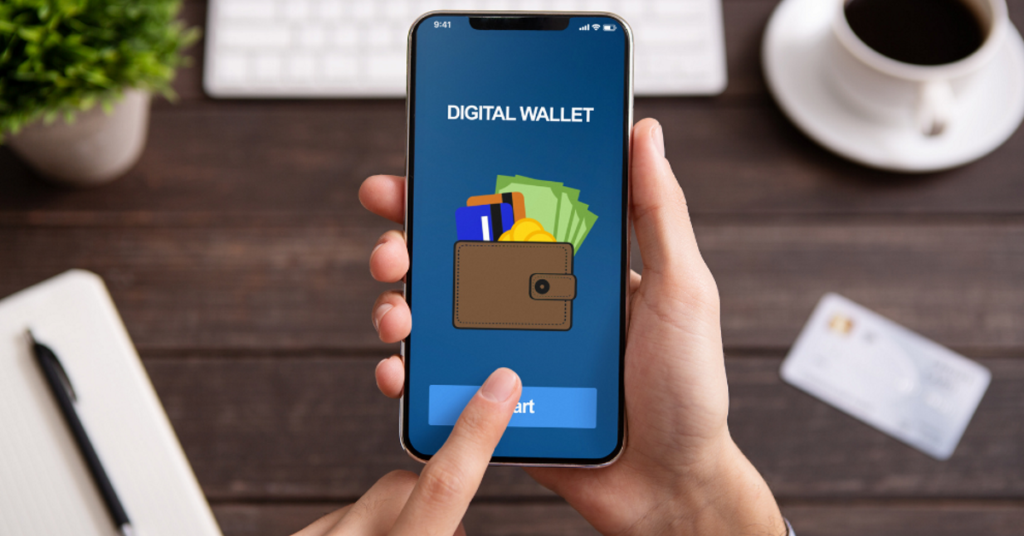
I still remember the panic that set in during a layover in Frankfurt a few years ago. I was rushing to my gate, digging frantically through my carry-on, when my heart stopped. My wallet was missing. Not just the credit cards or the cash, but my passport. That thin blue booklet was the only thing standing between me and being stranded in a foreign country. I spent the next four hours in a cold sweat, filling out police reports and calling embassies, all because a single physical object had slipped through my fingers. It was a visceral reminder of how fragile our current system of identity really is. We carry our entire lives in leather folders and plastic cards, vulnerable to loss, theft, and decay. But the winds of change are blowing, and they are digital. We are standing on the precipice of a new era where the bulky stack of documents in your drawer could soon be replaced by a secure, encrypted app on your phone. This is the rise of the digital identity wallet, and it promises to rewrite the rules of how we prove who we are.
The concept sounds simple enough, yet it represents a monumental shift in societal infrastructure. A digital identity wallet is essentially a secure application on your smartphone or other trusted device that stores verified credentials. Think of it as a virtual version of your physical wallet, but far more powerful. Instead of carrying a driver’s license, a health insurance card, a university diploma, and a passport, you would hold digital versions of all these documents. These aren’t just photos of your ID scanned into a PDF; they are cryptographically signed credentials issued directly by trusted authorities like governments, universities, or banks. When you need to prove your age at a bar or check into a hotel, you don’t hand over your entire license. You simply tap your phone and share only the specific piece of information required, such as confirming you are over twenty-one, without revealing your home address or exact date of birth. This concept of minimal disclosure is a game-changer for privacy, a topic that has gained immense traction in recent years as data breaches become increasingly common.
To understand why this transition is happening now, we have to look at the limitations of our current paper-based system. Physical documents are surprisingly easy to forge, difficult to verify instantly, and a nightmare to manage if lost. For decades, we have relied on holograms and watermarks, but counterfeiters have kept pace with technology. Furthermore, the process of verifying identity is often clunky and invasive. Have you ever noticed how many businesses ask to photocopy your driver’s license just to rent a bike or sign up for a gym membership? That piece of paper, with all your sensitive data, often ends up in a filing cabinet that isn’t very secure, or worse, in a trash bin where identity thieves can retrieve it. The National Institute of Standards and Technology has long highlighted the vulnerabilities in traditional identity proofing methods, noting that the reliance on static, physical credentials creates significant security gaps in our digital economy. Digital wallets solve this by using dynamic cryptography. Every time you present your digital ID, the verification is done in real-time against the issuer’s database, making forgery nearly impossible.
The momentum behind this shift is not just theoretical; it is already visible in pockets of the world where early adoption is changing daily life. In Europe, the European Union has been aggressively pushing forward with the European Digital Identity Wallet, a framework designed to give every citizen and resident a way to identify themselves and share electronic documents across all member states. Imagine traveling from Lisbon to Helsinki and being able to rent a car, check into a hotel, and access public services using nothing but the app on your phone, with full legal recognition in every country you visit. This level of interoperability was unimaginable with physical documents, which often require translations, apostilles, or manual verification by bureaucrats. Similarly, countries like Estonia have been pioneers in this space for years, allowing citizens to vote, sign contracts, and access medical records digitally. Their success serves as a living laboratory, proving that a society can function efficiently and securely without the constant need for paper trails.
However, the conversation around digital identity wallets often triggers a valid concern: what about privacy? It feels counterintuitive to trust a tech company or a government app with our most sensitive data when we already struggle to trust them with our emails. This is where the architecture of modern digital wallets differs fundamentally from the social media models we are used to. Leading experts in cybersecurity argue that true digital identity wallets are built on the principle of user sovereignty. Unlike a centralized database where a corporation holds all your data and sells insights derived from it, a self-sovereign identity model keeps the data on your device. The wallet acts as a vault that only you control. When a verifier asks for information, your wallet presents a cryptographic proof. The verifier learns that the information is true, but they do not receive the underlying data itself, nor do they store it. The World Economic Forum has published extensive research on this decentralized approach, emphasizing that it shifts the power dynamic back to the individual, allowing people to own and control their digital footprint rather than having it fragmented across hundreds of corporate silos.
Of course, the road to a fully digital future is not without its potholes. The digital divide remains a significant hurdle. Not everyone owns a smartphone, and not everyone has reliable internet access. If we move to a system where a physical ID is no longer issued or accepted, we risk excluding vulnerable populations, including the elderly, the poor, and those in rural areas. A responsible transition must ensure that physical alternatives remain available for as long as necessary, or that offline verification methods are robustly built into the digital wallet ecosystem. Some newer technologies allow for near-field communication (NFC) verification even without an active internet connection, bridging this gap slightly, but policy makers must remain vigilant. The International Organization for Standardization is currently working on global standards to ensure that these systems are inclusive and accessible, recognizing that identity is a fundamental human right that cannot be gated behind a paywall or a specific device model.
Another layer of complexity involves the psychological shift required from the general public. We are creatures of habit. There is a tangible comfort in holding a physical card; you can feel it, see it, and put it in a safe place. Letting go of that tangibility requires a leap of faith in code and encryption. Education will play a pivotal role here. People need to understand that losing a phone is different from losing a wallet. Modern devices come with biometric locks, remote wiping capabilities, and encrypted storage that a leather wallet could never offer. If you lose your physical passport, anyone who finds it can potentially use it until you report it. If you lose your phone with a digital wallet, the thief cannot access the credentials without your face, fingerprint, or passcode, and you can instantly revoke access from another device. Reframing the narrative from “loss of control” to “gain of security” is essential for widespread adoption.
The implications for business and government efficiency are staggering. Consider the onboarding process for a new job or a bank account. Currently, it involves days of paperwork, background checks, and manual verification. With digital identity wallets, this could happen in minutes. A bank could instantly verify your identity, income history, and address with your permission, reducing fraud and speeding up economic activity. The United Nations Development Programme has noted that robust digital identity systems can unlock significant economic value, particularly in developing nations where millions of people lack formal identification, effectively locking them out of the formal economy. By providing a secure, digital way to prove who they are, these individuals can open bank accounts, access credit, and participate fully in society.
As we look toward the future, it seems inevitable that the heavy, leather-bound wallets of our ancestors will become relics, displayed in museums alongside quill pens and rotary phones. The convenience, security, and privacy benefits of digital identity wallets are simply too compelling to ignore. Yet, this future must be built carefully. It requires collaboration between governments, technology providers, and civil society to ensure that the systems are secure, inclusive, and respectful of human rights. We are not just upgrading our wallets; we are upgrading the fabric of trust that holds our society together.
For now, keep your physical documents safe. The transition will be gradual, likely taking a decade or more to reach full maturity. But start paying attention to the pilots and programs launching in your region. You might find yourself testing a digital driver’s license sooner than you think. And when that day comes, perhaps you will feel a sense of relief similar to what I felt years later in Frankfurt, after I had finally recovered my passport. But this time, the relief won’t come from finding a lost object; it will come from knowing that your identity is no longer a fragile piece of paper, but a resilient, secure part of who you are, carried safely in your pocket, ready for the modern world.
Frequently Asked Questions
What exactly is a digital identity wallet and how does it work?
A digital identity wallet is a secure application on a smartphone or device that stores verified digital versions of your official documents, such as passports, driver’s licenses, and degrees. Unlike a simple photo scan, these documents are cryptographically signed by the issuing authority. When you need to prove something, the wallet uses encryption to share only the necessary information with the verifier, ensuring that your data remains private and secure while proving its authenticity instantly.
Is my personal data safe in a digital wallet compared to a physical one?
Generally, yes, digital wallets offer superior security features compared to physical documents. Physical IDs can be stolen, forged, or photocopied without your knowledge. Digital wallets utilize biometric authentication (like face or fingerprint scans) to prevent unauthorized access. Furthermore, if your phone is lost, you can remotely lock or wipe the wallet, whereas a lost physical wallet cannot be digitally disabled. The data is also often stored locally on your device rather than in a central cloud database, reducing the risk of mass data breaches.
What happens if I lose my phone or the battery dies?
This is a common concern, and developers are addressing it through multiple layers of redundancy. Most systems allow you to recover your wallet on a new device using secure backup methods or recovery keys. Regarding battery life, some emerging technologies utilize low-energy modes or NFC chips that can transmit verification data even when the phone battery is critically low or temporarily dead, similar to how transit passes work. However, during the transition period, carrying a physical backup is still recommended.
Will I still need to carry physical documents once digital wallets are adopted?
For the foreseeable future, yes. Governments and organizations recognize that not everyone has a smartphone and that technology can fail. Most rollout plans include a long transition period where both physical and digital forms of identification are accepted. It will likely be many years before physical documents are completely phased out, if ever, to ensure inclusivity for all members of society.
Can companies track my movements if I use a digital ID?
A well-designed digital identity wallet operates on the principle of minimal disclosure and does not inherently track your movements. When you present your ID, the transaction is typically peer-to-peer between your device and the verifier. The system is designed so that the issuer (like the DMV) does not know when or where you are using your ID, and the verifier does not store your data after the transaction. This stands in stark contrast to current systems where swiping a card often logs your activity in a central database.
Who issues these digital credentials?
Digital credentials are issued by the same trusted entities that issue physical documents today. Your state government issues your digital driver’s license, your university issues your digital diploma, and your national government issues your digital passport. The technology changes the format and the method of verification, but the authority and trust behind the document remain with the official issuing bodies.
Are digital identity wallets accepted internationally?
International acceptance is growing but varies by region. Initiatives like the European Digital Identity Wallet aim for seamless cross-border usage within the EU. International standards organizations are working to create frameworks that allow digital IDs from one country to be recognized in another, much like physical passports are today. However, full global interoperability will take time and diplomatic cooperation to achieve.
Conclusion
The journey from physical documents to digital identity wallets is more than just a technological upgrade; it is a fundamental reimagining of how we interact with the world. We are moving away from an era where our identity was defined by fragile pieces of plastic and paper, susceptible to damage and theft, toward a future where our credentials are secure, private, and effortlessly accessible. This shift promises to streamline our daily lives, eliminating the friction of bureaucracy and the anxiety of losing vital documents. It offers a path to greater financial inclusion for the unbanked and stronger privacy protections for everyone.
However, embracing this future requires patience and vigilance. As these systems roll out, it is crucial for users to stay informed about how their data is being protected and to advocate for inclusive policies that leave no one behind. The technology is ready, and the benefits are clear, but the success of this transition depends on building trust between citizens, governments, and technology providers.
If you want to prepare for this change, start by familiarizing yourself with the digital initiatives in your local area. Check if your state or country is piloting a digital driver’s license or health card. Educate yourself on the basics of digital security and biometric authentication. Most importantly, approach this new frontier with an open mind, recognizing that while the tools we use to prove who we are may change, the value of our identity remains constant. The end of physical documents is not the end of tradition, but the beginning of a safer, more efficient, and more empowered way of living. Keep your eyes on the horizon, because the future of identity is already in your pocket.