

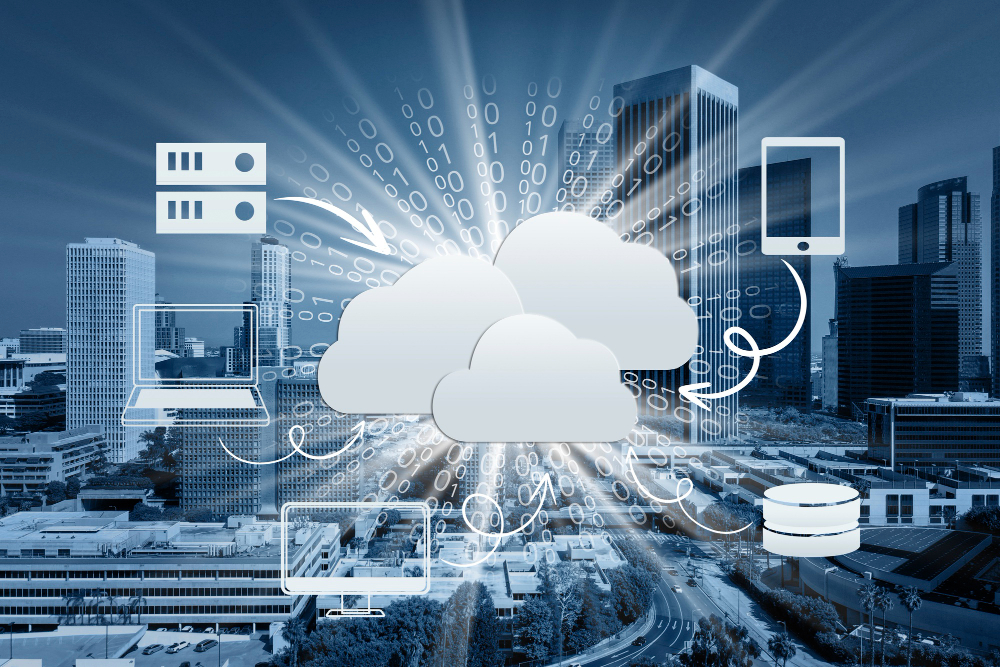
In the rapidly evolving landscape of data processing and infrastructure, organizations face critical decisions about where and how to handle their computational needs. As data volumes surge and real-time demands intensify, the choice between edge computing and cloud computing becomes pivotal. This comparison explores their core principles, differences, strengths, and applications, drawing on current developments to provide a forward-looking view into 2026. With advancements in 5G networks and AI integration, these technologies are not just alternatives but often complementary tools shaping efficient systems.
Understanding Cloud Computing
Cloud computing delivers on-demand resources like storage, processing power, and applications over the internet through centralized data centers. Providers manage the infrastructure, allowing users to scale operations without investing in physical hardware. This model supports vast data analytics and global collaboration, where data travels to remote servers for processing.
For instance, businesses relying on large-scale data storage benefit from the elasticity of cloud environments, adjusting resources based on demand fluctuations. According to industry analyses, by 2026, global spending on cloud services is projected to exceed $1 trillion, driven by AI workloads shifting entirely to cloud platforms for their scalability. This centralization enables features like automated backups and compliance tools, making it suitable for enterprises handling petabytes of information.
However, reliance on internet connectivity can introduce delays in data transmission, which is a key consideration for time-sensitive operations. Resources from providers like Amazon Web Services highlight how cloud computing optimizes costs through pay-as-you-go models, reducing upfront capital expenses.
Defining Edge Computing
Edge computing shifts processing closer to the data source, using local devices, servers, or gateways to handle computations at the network’s periphery. This approach minimizes the distance data must travel, enabling faster responses and reducing bandwidth consumption. In scenarios like industrial sensors monitoring machinery, edge devices process inputs locally to detect anomalies instantly.
The decentralized nature of edge computing supports operations in remote or connectivity-challenged areas, such as offshore oil rigs where immediate data analysis prevents equipment failures. Projections indicate that by 2026, over 75% of enterprise-generated data will be processed outside traditional data centers, emphasizing edge’s role in managing the explosion of IoT-generated information. This shift is fueled by the need for low-latency applications, where even milliseconds matter.
Insights from Gartner underscore edge computing’s growth, with market revenues expected to reach $511 billion by 2033 across key industries. Unlike centralized systems, edge setups require careful management of distributed nodes to ensure consistency and security.
Key Differences: Architecture, Performance, and Scalability
At their core, edge and cloud computing differ in how they handle data location and processing. Cloud computing centralizes resources in large, remote facilities, offering high computational power but potentially higher latency due to network dependencies. Edge computing distributes tasks to proximity-based nodes, prioritizing speed over raw power.
Performance metrics reveal stark contrasts: edge systems achieve response times as low as 5-10 milliseconds, ideal for real-time analytics, while cloud latencies can range from 30-60 milliseconds or more, depending on geographic factors. Bandwidth usage also varies; edge processing filters data locally, sending only essential insights to central hubs, which conserves network resources in high-volume environments like video surveillance.
Scalability presents another divide. Cloud platforms excel in elastic expansion, adding virtual resources instantly to handle global workloads. Edge scalability, however, often involves physical deployments, limiting it to regional growth but enabling autonomy in disconnected settings. Security approaches differ too: cloud benefits from provider-managed controls, whereas edge demands securing multiple endpoints, though it enhances privacy by keeping sensitive data local.
Analyses from DigitalOcean detail these distinctions, noting that hybrid models often bridge the gaps for optimal outcomes.
- Architecture: Centralized (cloud) vs. decentralized (edge).
- Latency: Higher in cloud due to data travel; minimal in edge.
- Bandwidth: Intensive for cloud transfers; optimized in edge.
- Scalability: Unlimited virtual growth in cloud; hardware-dependent in edge.
- Cost Model: Subscription-based in cloud; potentially lower transmission costs in edge but with hardware investments.
Advantages and Disadvantages of Each Approach
Cloud computing’s primary advantages lie in its scalability and resource efficiency. Organizations can access advanced tools for machine learning and big data without maintaining infrastructure, leading to cost savings in non-real-time scenarios. Disadvantages include dependency on stable internet and potential data egress fees, which can accumulate in data-heavy operations.
Edge computing shines in reducing latency and enhancing reliability in offline modes. For example, in manufacturing, edge devices enable predictive maintenance by analyzing vibration data on-site, preventing downtime. Its drawbacks involve higher initial setup costs for distributed hardware and complexities in managing heterogeneous devices across locations.
Expert insights from Microsoft Azure emphasize edge’s benefits for privacy, as local processing limits data exposure. Conversely, cloud’s centralized security, as outlined by IBM, provides robust compliance features for regulated industries.
To mitigate weaknesses, many adopt hybrid strategies, leveraging cloud for storage and edge for immediate processing.
Real-World Use Cases Across Industries
Cloud computing powers applications requiring extensive storage and collaboration, such as enterprise resource planning systems where teams access shared databases globally. In healthcare, cloud platforms store patient records for analytics, enabling population health studies without local servers.
Edge computing excels in IoT-driven sectors. Autonomous vehicles process sensor data at the edge to make split-second decisions, like avoiding obstacles, without cloud round-trips. In retail, edge-enabled cameras analyze customer traffic in real-time for inventory adjustments, improving efficiency.
Smart cities utilize edge for traffic management, where local sensors adjust signals based on immediate conditions. Telecom providers deploy edge nodes to support 5G applications, reducing latency for video streaming. Reports from Deloitte predict increased edge adoption in these areas by 2026, driven by data growth.
Hybrid use cases, like industrial automation, combine edge for on-floor monitoring with cloud for aggregated insights, optimizing overall performance.
Hybrid Models: The Best of Both Worlds
Increasingly, organizations integrate edge and cloud into hybrid architectures to address diverse needs. Edge handles time-critical tasks, preprocessing data before sending summaries to the cloud for deeper analysis. This synergy reduces costs and enhances resilience.
In energy sectors, edge devices monitor grid sensors locally for fault detection, while cloud platforms run simulations for long-term planning. Challenges in hybrids include data synchronization and unified management, but tools like orchestration platforms simplify these.
Predictions from IDC suggest that by 2026, hybrid clouds will dominate, with 50% of enterprises using AI agents in such environments for workflow automation.
Emerging Trends in Edge and Cloud Computing for 2026
Looking ahead to 2026, edge computing will see accelerated adoption with machine learning integrations, where over 50% of deployments incorporate ML, up from 5% in recent years. This trend, noted by Gartner, supports composite AI at the edge for predictive tasks.
Cloud trends focus on AI-first platforms and sustainability, with green computing practices reducing energy footprints. Multi-cloud strategies will rise, addressing vendor lock-in through interoperable tools.
5G advancements will bolster edge, enabling ultra-low latency for AR/VR applications. Security evolves with confidential computing in clouds, protecting data in use. Overall, the interplay between edge and cloud will drive intelligent, distributed systems.
Edge vs. Cloud: Side-by-Side Comparison
| Feature | Cloud Computing | Edge Computing |
|---|---|---|
| Data Processing Location | Centralized remote data centers | Near the data source (local devices/servers) |
| Latency | Higher (30-60ms or more) | Low (5-10ms) |
| Bandwidth Usage | High, as raw data is transmitted | Low, with local filtering |
| Scalability | High, elastic virtual resources | Regional, hardware-dependent |
| Security | Centralized controls, compliance certifications | Local data retention, but multiple endpoints to secure |
| Cost | Pay-as-you-go, potential egress fees | Reduced transmission, but hardware/maintenance costs |
| Best Suited For | Big data analytics, global apps, storage | Real-time IoT, autonomous systems, remote ops |
This table illustrates core distinctions, aiding decision-making based on specific requirements.
FAQ: Addressing Common Questions
What is the main benefit of edge computing over cloud?
Edge computing primarily reduces latency by processing data locally, making it essential for applications needing instant responses, such as industrial automation or telemedicine.
When should businesses choose cloud computing?
Opt for cloud when scalability and centralized management are priorities, like in data-intensive analytics or collaborative software environments.
Can edge and cloud computing work together?
Yes, hybrid models are common, where edge handles immediate processing and cloud manages storage and advanced computations, enhancing efficiency.
What are the security implications of each?
Cloud offers provider-backed security with encryption and monitoring, while edge improves privacy through local data handling but requires robust endpoint protections.
How will 2026 trends impact adoption?
With data growth, edge will process more at the periphery, complemented by cloud’s AI capabilities, leading to more integrated, sustainable infrastructures.
Is edge computing more expensive?
Initial costs may be higher due to hardware, but it saves on bandwidth and cloud usage over time, depending on scale.
What industries benefit most from edge?
Manufacturing, healthcare, and transportation see significant gains from edge’s real-time capabilities.
Wrapping Up: Navigating the Future of Computing
As 2026 approaches, the comparison between edge and cloud computing reveals a dynamic ecosystem where neither stands alone but rather collaborates to meet modern demands. Cloud’s strength in scalability and global reach complements edge’s focus on speed and locality, creating robust frameworks for data-driven operations. Organizations must evaluate their needs—considering latency tolerances, data volumes, and connectivity— to select the right mix.
For those starting out, assess current workloads: prioritize edge for IoT-heavy setups or cloud for expansive analytics. Implementing hybrids requires planning for integration tools and security protocols to avoid silos. Looking forward, embrace emerging standards like AI at the edge and sustainable practices to future-proof investments.
Ultimately, this evolution empowers businesses to process data more intelligently, fostering innovation across sectors. By staying informed on trends from sources like Forbes and Cisco, leaders can guide their strategies toward resilient, efficient systems that drive long-term success. Reflect on your infrastructure today to position for tomorrow’s opportunities.