
How Wireless Technology Connects Modern Devices and Smart Systems
The transformation of daily routines through automation relies heavily on invisible data streams. Global communication networks depend on invisible radio frequencies to exchange data between separate hardware units without physical wiring. Understanding how wireless technology connects modern devices and smart systems requires examining the underlying mechanics of radio waves, standardized communication protocols, and architectural frameworks. From residential lighting networks to vast industrial facilities, unanchored data transmission enables real-time monitoring and centralized control, reshaping how mechanical and digital assets interact across global infrastructures.
The Foundations of Wireless Communication
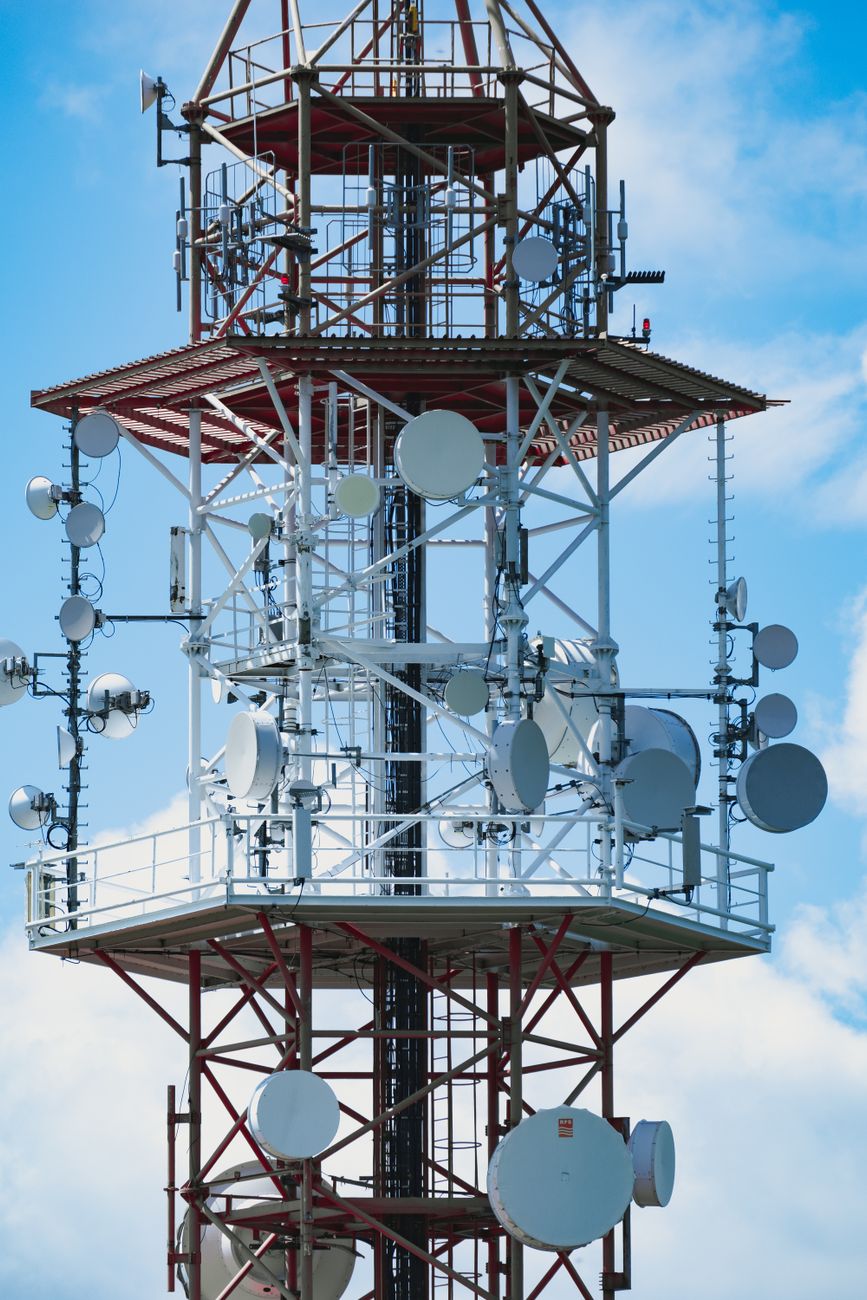
At its core, wireless transmission relies on electromagnetic spectrum allocations to move packets of information from a transmitter to a receiver. Radio frequency signals travel through the air, carrying encoded messages that are subsequently decoded by receiving hardware. Unlike traditional copper or fiber-optic cables, which provide a dedicated physical pathway, unanchored networks broadcast signals across open space, requiring sophisticated modulation schemes to prevent interference and data corruption.
Engineers utilize specific frequency bands, such as the 2.4 GHz and 5 GHz ranges, to transmit information across short and medium distances. These frequency ranges serve as the foundational highways for consumer electronics and enterprise hardware alike. The efficiency of this data exchange depends on modulation techniques like Frequency Hopping Spread Spectrum and Orthogonal Frequency-Division Multiplexing, which divide data streams across multiple sub-channels to maintain signal integrity in crowded electromagnetic environments. Without these foundational mechanics, simultaneous device communication within a confined space would result in overwhelming interference and dropped connections.
Core Protocols Governing Smart Ecosystems
Hardware interoperability requires standardized rules of engagement known as communication protocols. Without a common language, a temperature sensor cannot instruct an air conditioning unit to adjust its output. Protocols establish the syntax, synchronization rules, and error-checking mechanisms that allow distinct hardware types to exchange information seamlessly.
Short-Range Mesh Networks
Mesh topologies allow individual nodes to relay data across a network rather than requiring a direct line of sight to a central router. Technologies operating on low-power radio frequencies create self-healing networks where data packets hop from one node to another until reaching their destination. This architecture extends operational range and increases reliability within residential and commercial buildings.
Long-Range Wide Area Networks
For applications spanning vast geographic areas, long-range protocols provide low-power, wide-area connectivity. These systems operate on sub-gigahertz frequencies, allowing signals to penetrate thick concrete walls and travel for miles with minimal power consumption. Utility providers frequently leverage these frameworks to monitor water meters and electrical grids across entire metropolitan regions without the expense of cellular data plans for every endpoint.
Architecture of Modern Smart Systems
Building an integrated automation network requires a structured hierarchy consisting of physical endpoints, edge computing processors, and centralized cloud repositories. This layered framework ensures that data moves efficiently from the point of collection to the point of execution.
[Smart Sensors / Endpoints]
           │
           ▼
[Edge Computing Gateways]
           │
           ▼
[Centralized Cloud Hubs]
Sensors sit at the edge of the network, continuously gathering environmental metrics such as ambient temperature, motion, or structural vibration. These endpoints transmit raw data wirelessly to local gateways or hubs. Edge devices process this information locally to reduce latency before sending relevant summaries upstream to cloud servers for long-term storage and advanced machine learning analysis.

Comparison of Wireless Communication Standards
| Standard | Typical Range | Data Transmission Speed | Primary Use Case |
|---|---|---|---|
| Wi-Fi (802.11) | Up to 100 meters | High (Up to several Gbps) | High-bandwidth computing, video streaming, smart home hubs |
| Bluetooth | Up to 10 meters | Moderate (Up to 2 Mbps) | Peripheral pairing, audio streaming, wearable health monitors |
| Zigbee / Z-Wave | 10 to 100 meters | Low (250 kbps) | Mesh networking, smart lighting, security sensors |
| Cellular (5G) | Kilometers | Extremely High (Gbps) | Wide-area mobility, autonomous vehicles, industrial IoT |
Evaluating these communication standards clarifies why specific technologies are selected for distinct applications. High-bandwidth environments require robust Wi-Fi or cellular networks, whereas battery-powered sensors benefit immensely from low-power mesh architectures.
Industrial Applications and Large-Scale Automation
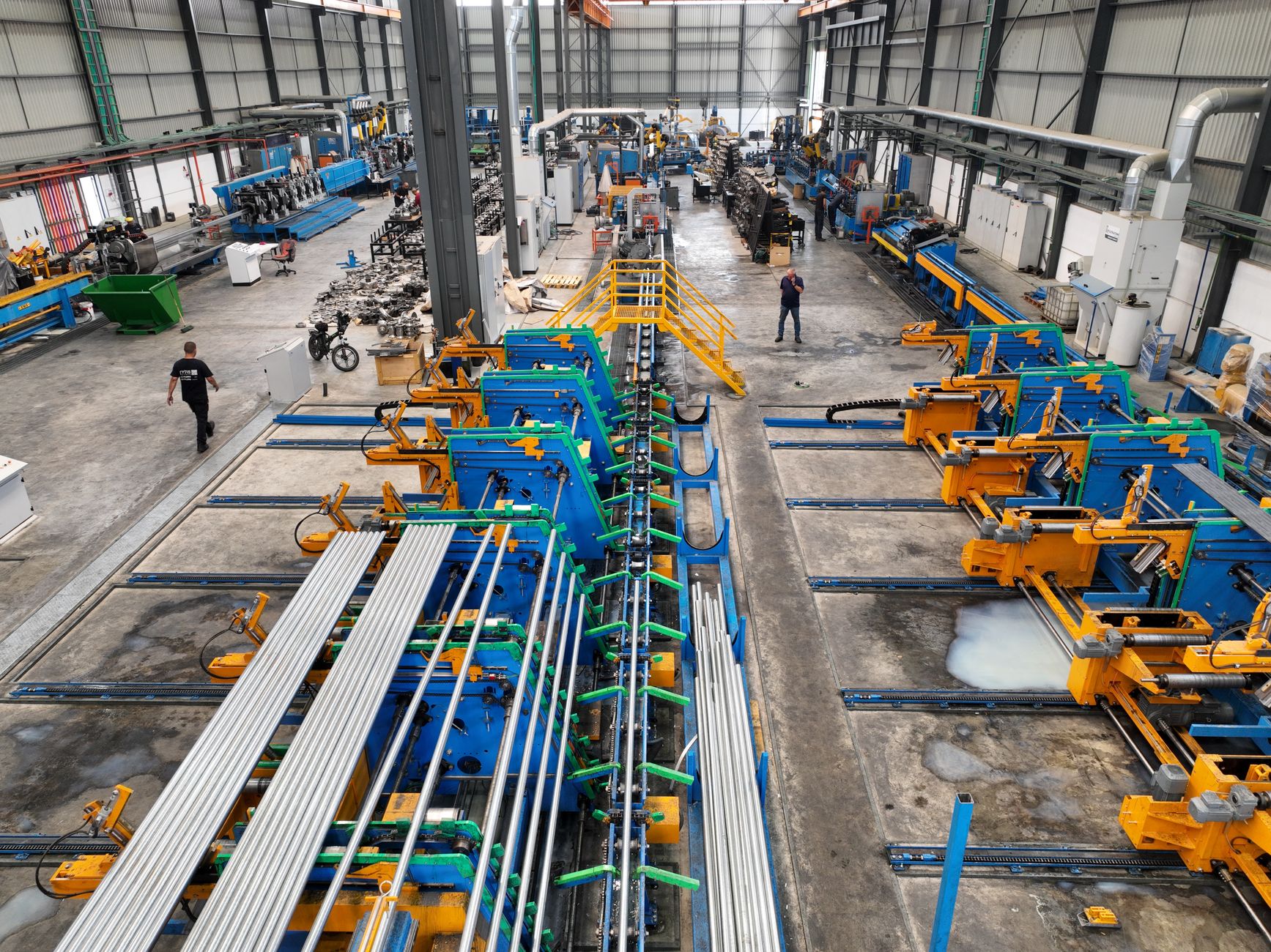
Beyond residential conveniences, unanchored communication networks drive efficiency in industrial manufacturing, logistics, and supply chain management. Industrial environments present unique challenges, including heavy machinery interference, extreme temperatures, and vast physical layouts.
Manufacturing facilities deploy wireless sensor networks to monitor machine health predictive maintenance programs. Vibration sensors attached to industrial motors transmit operational metrics continuously. If a bearing begins to degrade, the deviation in vibration frequency is detected and transmitted wirelessly to maintenance personnel, preventing catastrophic equipment failure and costly downtime. Similarly, automated guided vehicles navigate warehouse floors by communicating continuously with central management systems via localized enterprise wireless access points, optimizing inventory routing without restrictive physical tethers.
Security Considerations in Wireless Ecosystems
Eliminating physical cables introduces distinct cybersecurity challenges that require robust mitigation strategies. Because radio waves broadcast signals through open air, unauthorized entities could theoretically intercept data packets if proper cryptographic measures are not enforced.
Securing connected environments involves implementing end-to-end encryption standards, robust authentication protocols, and regular firmware updates. Network segmentation isolates critical infrastructure from general-purpose guest networks, ensuring that a compromised peripheral device cannot serve as an entry point into the broader administrative ecosystem. Furthermore, hardware root-of-trust mechanisms verify the cryptographic integrity of devices during the boot process, ensuring that unauthorized hardware cannot connect to the network.
Frequently Asked Questions
What prevents wireless signals from interfering with one another?
Wireless standards utilize designated frequency channels, time-division multiplexing, and advanced coding techniques to separate data streams. Devices dynamically switch channels or use specific encryption keys to ensure that signals intended for one receiver are ignored by others.
How do battery-powered smart devices maintain long lifespans?
Many connected devices utilize low-power protocols and duty-cycling, meaning they remain in a deep sleep state for the majority of the time and only wake up briefly to transmit small packets of data when an event occurs or a scheduled interval is reached.
Can wireless systems operate during a power outage?
Standard residential routers require mains power, but smart systems can incorporate battery backups and local mesh capabilities. This allows certain local devices to continue communicating locally even when external internet access is disrupted.
What is the primary difference between Wi-Fi and mesh networking protocols?
Wi-Fi typically uses a star topology where every device connects directly to a central router. Mesh networking allows devices to communicate with each other, relaying data across multiple nodes to extend coverage and improve reliability.
Conclusion
The integration of modern hardware relies entirely on the invisible infrastructure of unanchored data exchange. Understanding how wireless technology connects modern devices and smart systems reveals a sophisticated interplay of radio frequencies, standardized communication protocols, and layered architectural frameworks. As engineering advancements continue to improve energy efficiency, reduce latency, and enhance cryptographic security, the scope of automated networks will expand further into enterprise and public domains. Designing robust digital ecosystems requires careful evaluation of range, bandwidth, and security requirements, ensuring that automated infrastructure remains resilient, scalable, and secure against emerging challenges.
Featured Image Credit: Generated/Sourced via Unsplash.
Inline Images Credit: Sourced from Pexels, Unsplash, Pixabay, NASA, Wikimedia, and Openverse free stock databases.
Disclaimer: This article is AI-generated for informational and educational purposes. While we strive to provide high-quality context and authority, the content should not be used as professional advice. The author/website assumes no liability for external links or factual omissions.